
Super El Niño 2026: Is Your Business Ready for a Stormy Season?
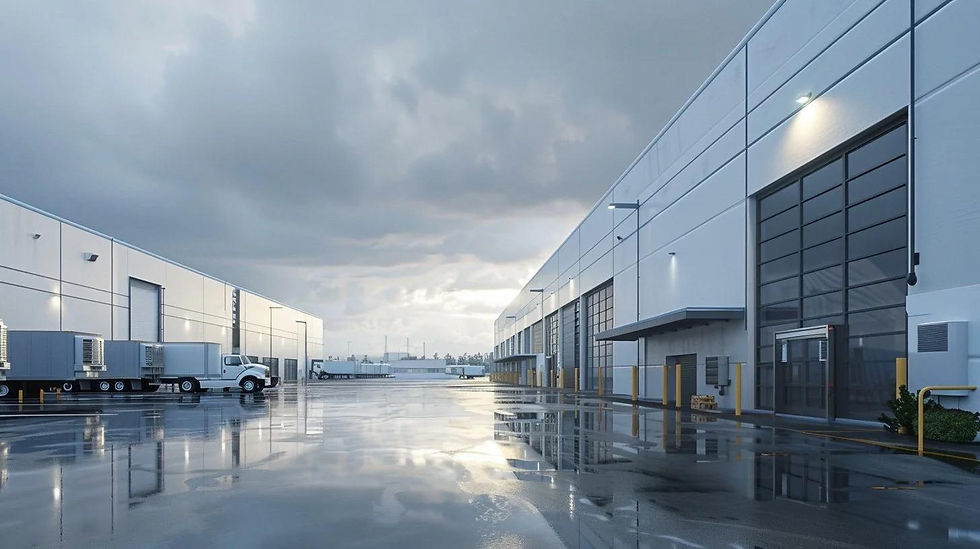
A Stronger El Niño May Be Coming. Are You Ready?
Imagine arriving at work on a rainy morning. The parking lot is flooded, delivery trucks are delayed, outdoor crews are working in wet conditions, and your warehouse team is trying to keep products dry while receiving shipments.
Now imagine dealing with these challenges for several days or even weeks.
This is why businesses should start preparing for the upcoming fall and winter weather season now.
According to the National Oceanic and Atmospheric Administration (NOAA), El Niño is strengthening, with a greater than 90% chance of a very strong event during fall and winter 2026–2027. California may experience increased chances of wetter-than-normal conditions, although the actual timing, location, and severity of storms remain uncertain. 1
While the term “Super El Niño” has been widely used to describe an exceptionally strong event, one important thing to remember is that a strong El Niño does not guarantee extreme weather in every location.
Still, a little preparation today can help businesses, workers, and families handle unexpected weather tomorrow.
First, What Exactly Is El Niño?
El Niño is a climate pattern caused by warmer-than-average sea surface temperatures in the central and eastern tropical Pacific Ocean. It influences atmospheric circulation and can change weather patterns around the world.
For Southern California and other parts of the United States, El Niño can influence winter rainfall, storm tracks, and coastal conditions.
Depending on local conditions, potential concerns include:
Heavy rainfall: Water accumulation around streets, parking lots, and work sites.
Flooding: Water entering buildings, warehouses, loading areas, and low-lying roads.
Strong winds: Flying debris, unstable outdoor equipment, and falling branches.
Mudslides and erosion: Particularly in areas with steep slopes or recent wildfire damage.
Transportation delays: Disrupted deliveries, difficult driving conditions, and supply chain interruptions.
These are potential risks to prepare for, not guaranteed outcomes of the forecast.
5 Practical Ways Businesses Can Prepare
You don't need an expensive emergency plan to get started. Small, practical steps can make a meaningful difference.
1. Check Your Workplace Before the First Major Storm
Don't wait until water starts coming through the door!
Inspect your facility and look for potential trouble spots.
Your pre-storm checklist:
☐ Inspect roofs, gutters, and drainage systems.
☐ Clear leaves and debris from drains and loading areas.
☐ Check doors, windows, and other potential leak points.
☐ Elevate products, cartons, and electrical equipment in flood-prone areas.
☐ Secure outdoor materials, signs, and lightweight equipment.
☐ Review emergency contacts and procedures with employees.
A little preventive maintenance can help reduce costly damage and unnecessary downtime.
2. Make Sure Outdoor Workers Have the Right Protection
Rainy weather creates additional challenges for construction crews, delivery drivers, road workers, maintenance teams, and warehouse employees who work outdoors.
Wet clothing, slippery surfaces, reduced visibility, and colder conditions can make routine tasks more difficult.
Before the rainy season begins, review your team's protective equipment.
Consider preparing:
Waterproof rain suits and jackets to help workers stay dry.
High-visibility safety vests to improve visibility around vehicles and equipment.
Waterproof footwear with suitable slip-resistant soles for wet working environments.
Gloves appropriate for the task to maintain grip and protect hands.
Hard hats and other required protective equipment suited to the hazards at the work site.
Remember: Rain gear alone does not eliminate workplace hazards. Employers should also assess the work environment, provide appropriate training, and follow applicable safety requirements.
3. Protect Your Warehouse and Inventory
For distributors, wholesalers, retailers, and manufacturers, bad weather can create problems beyond the immediate storm.
Water damage to inventory, packaging, electrical equipment, and shipping areas can lead to unexpected expenses and delayed orders.
Here are a few ways to reduce the risk:
Keep products off the floor. Use pallets and appropriate shelving, particularly in areas where water may enter.
Review your tarps and protective covers. Make sure outdoor materials, equipment, and selected inventory are properly covered when appropriate.
Inspect loading and unloading areas. Check drainage, lighting, and walking surfaces before bad weather arrives.
Review your inventory levels. Identify essential items that could become difficult to replenish if transportation or production is disrupted.
Plan for shipment delays. Communicate with suppliers and customers early when severe weather may affect delivery schedules.
Good preparation isn't just about protecting products. It's also about helping your business continue serving customers when conditions become challenging.
4. Prepare Your Vehicles, Deliveries, and Outdoor Work Areas
Heavy rain can make roads dangerous and disrupt normal delivery schedules.
Business owners and supervisors should consider reviewing:
Vehicle tires, windshield wipers, lights, and brakes.
Safe driving procedures for heavy rain and reduced visibility.
Delivery routes that may be affected by flooding or road closures.
Outdoor work schedules when conditions become unsafe.
Procedures for reporting weather-related hazards.
If conditions become dangerous, postpone or stop affected outdoor activities when necessary. Never drive or walk through floodwater when its depth or current is uncertain.
5. Build a Simple Emergency Supply Kit
Every workplace should have basic supplies available before an emergency occurs.
Consider keeping these items in an accessible location:
☐ First-aid kit
☐ Flashlights and extra batteries
☐ Drinking water and shelf-stable snacks
☐ Emergency contact information
☐ Portable phone chargers
☐ Rain ponchos or rainwear
☐ Spare high-visibility vests for workers who may need them
☐ Basic cleanup supplies appropriate for your facility
☐ Copies of emergency procedures and evacuation routes
Review the kit periodically and replace expired or damaged supplies.
Don't Forget to Prepare at Home
Weather preparedness starts outside the workplace, too.
Here are a few simple steps families can take before the rainy season:
Clean gutters and inspect the roof for leaks.
Check storm drains near your property and keep them clear where you are responsible for maintaining them.
Secure patio furniture, decorations, and other loose outdoor items.
Keep important documents and electronics away from potential water intrusion.
Prepare flashlights, batteries, drinking water, and essential medications.
Know your local evacuation routes and sign up for emergency alerts.
Review your homeowner's or renter's insurance coverage.
If your home is near a hillside, creek, drainage channel, or flood-prone area, pay special attention to local warnings and evacuation instructions.
Your Business Weather-Readiness Checklist
Not sure where to begin? Use this simple four-week approach.
Week 1: Inspect
Check your facility, roof, drains, inventory storage, vehicles, and outdoor work areas.
Week 2: Protect
Address maintenance issues, secure loose materials, and review protective equipment for employees.
Week 3: Prepare
Restock emergency supplies, review inventory needs, and communicate with suppliers and delivery partners.
Week 4: Review
Discuss emergency procedures with employees, confirm contact information, and monitor official weather forecasts.
You don't have to complete everything at once. Start with the most urgent risks and work through the rest.
Be Ready Before the Rain Arrives
Weather is unpredictable, but preparation doesn't have to be.
A well-maintained facility, properly equipped employees, protected inventory, and a clear emergency plan can help businesses reduce avoidable risks during the rainy season.
Because when the storm arrives, the best time to prepare is already behind you. The second-best time is today. Stay safe, stay prepared, and look out for one another!
Sources & Further Reading
NOAA Climate Prediction Center, ENSO Diagnostic Discussion, September 10, 2026.
https://www.cpc.ncep.noaa.gov/products/analysis_monitoring/enso_advisory/ensodisc.html
NOAA Climate Prediction Center, Seasonal Outlooks.
Ready.gov, Floods.
Weather forecasts can change. Businesses and residents should continue monitoring official forecasts, local emergency alerts, and guidance from local authorities.


Comments